PTFE Open Mesh Conveyor Belts
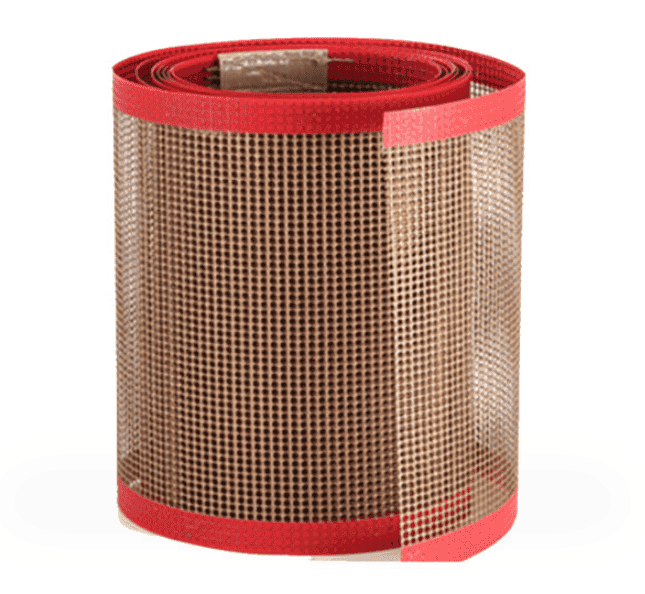
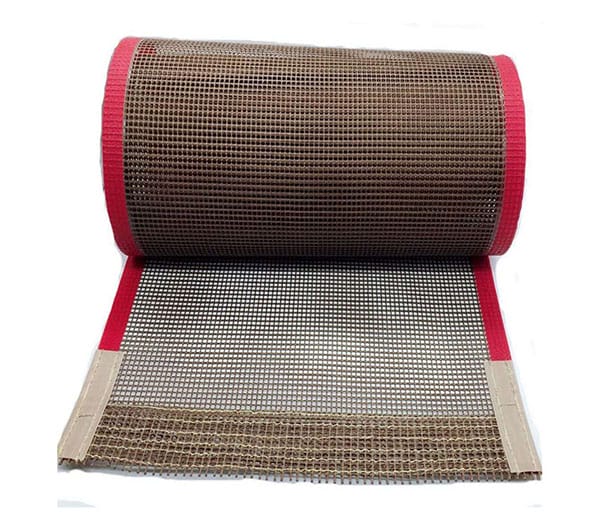
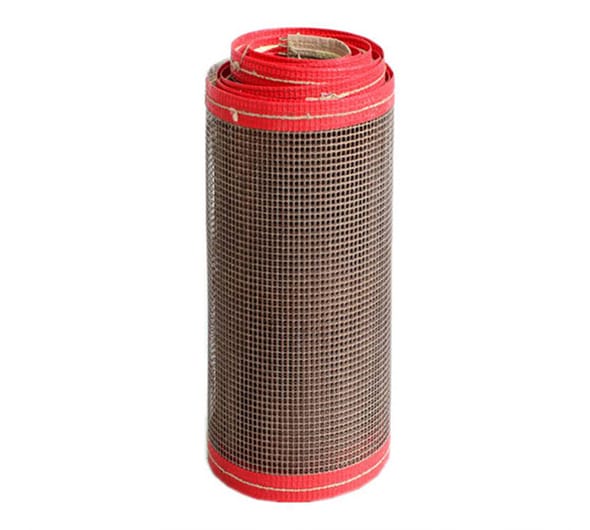
1. Product Overview Our PTFE Mesh Conveyor Belts are manufactured from high-quality woven fiberglass open mesh, heavily coated with premium PTFE resin. Unlike solid fabrics, the open-mesh structure is specifically designed to allow maximum airflow, rapid moisture evaporation, and efficient thermal transfer, making it the definitive choice for continuous drying and cooling processes.
2. Core Technical Features
-
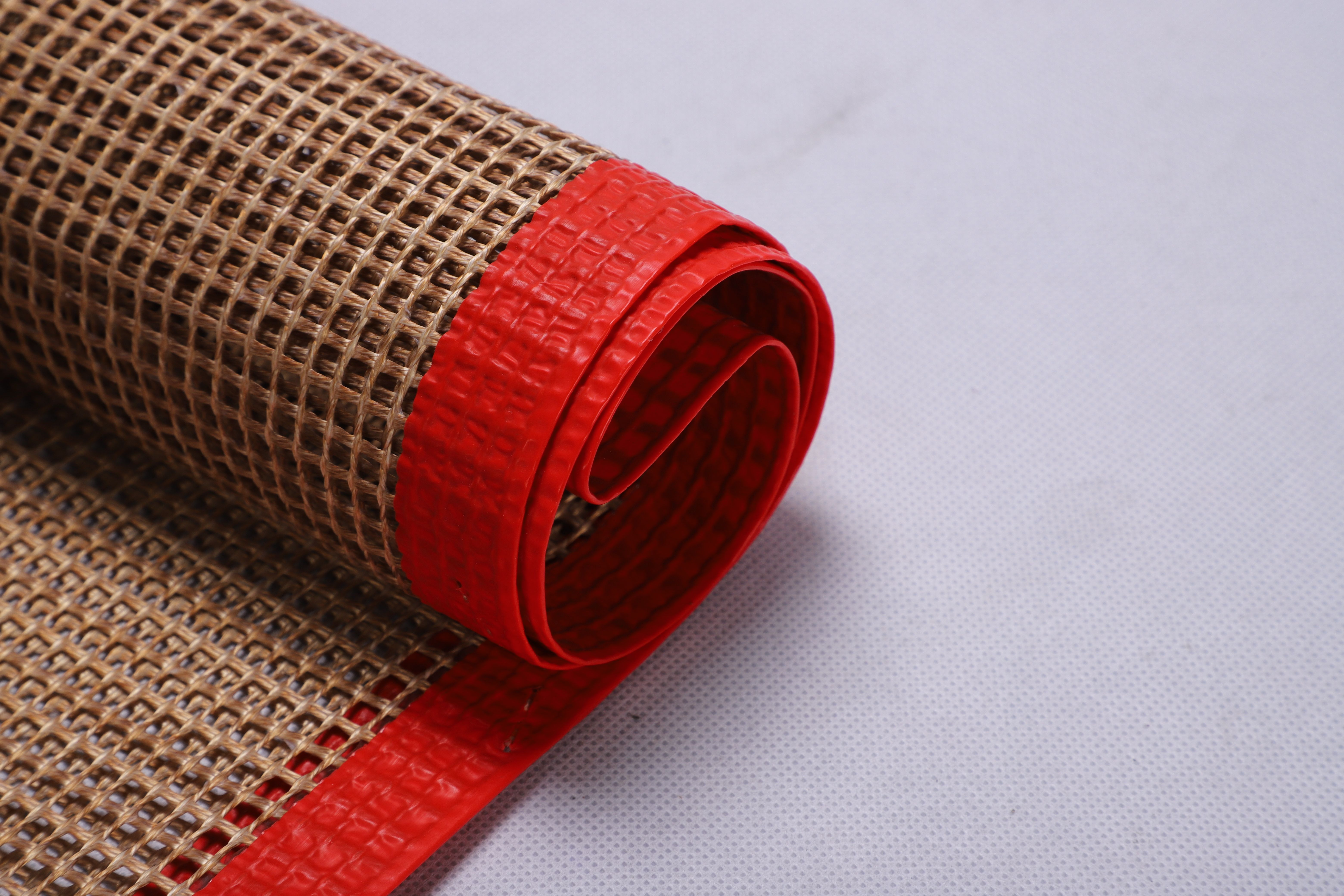
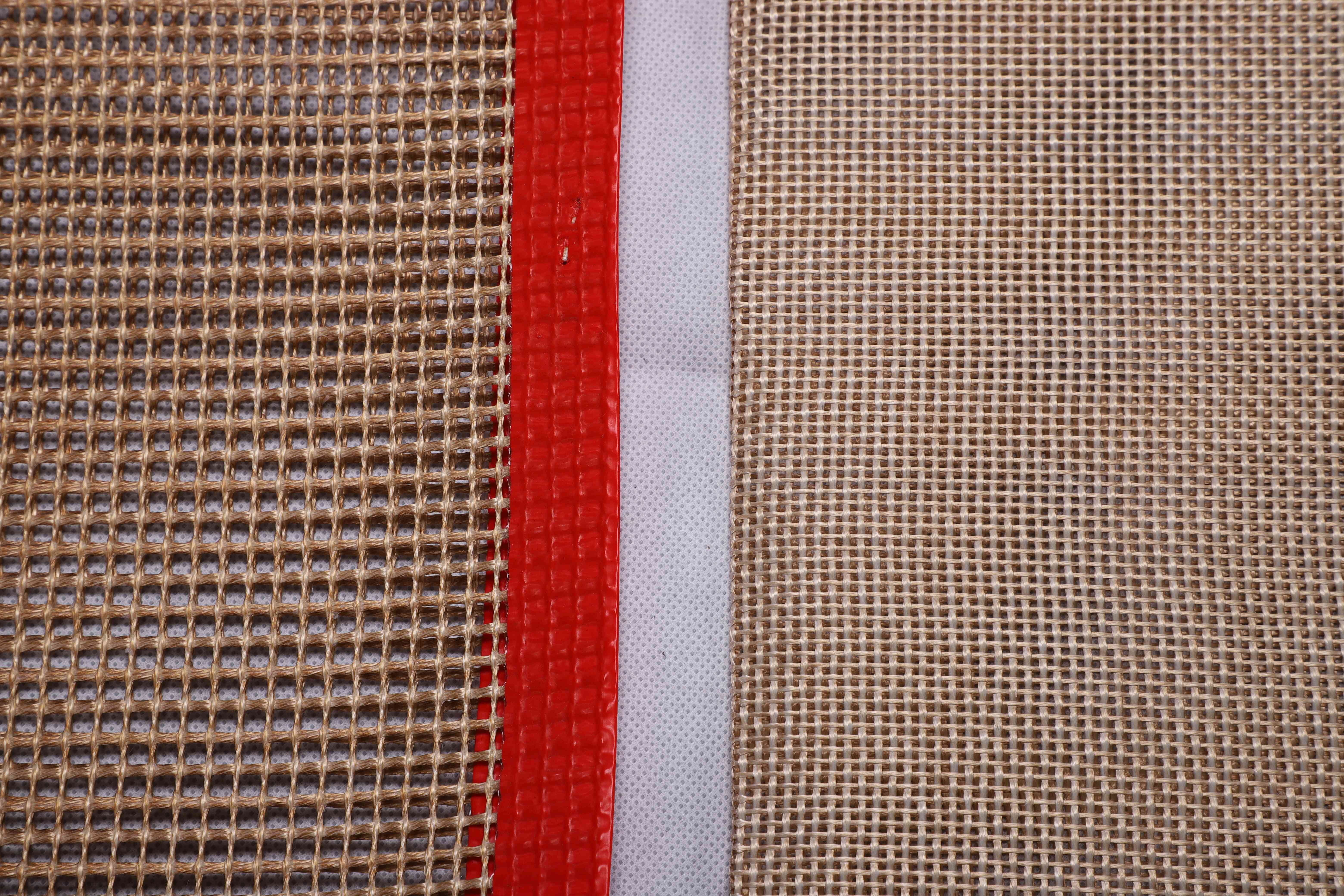
Maximum Airflow & Drainage: The open-mesh design (available in various aperture sizes like 1x1mm, 4x4mm, etc.) allows hot air, UV rays, or cooling fluids to circulate freely through the belt and the conveyed product.
-
Thermal & Chemical Resistance: Performs reliably in extreme temperature environments ranging from -70°C to +260°C, while resisting aggressive industrial chemicals and solvents.
-
Superior Non-Stick Surface: The high PTFE content ensures that melted plastics, sugary food products, and industrial adhesives release effortlessly without clogging the mesh.
-
Dimensional Stability: The high-tensile fiberglass core prevents elongation and maintains belt width under continuous mechanical tension.
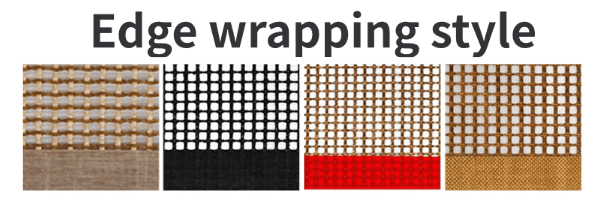
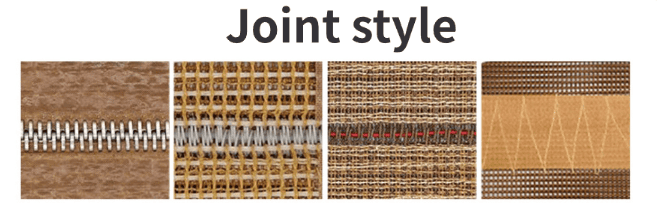
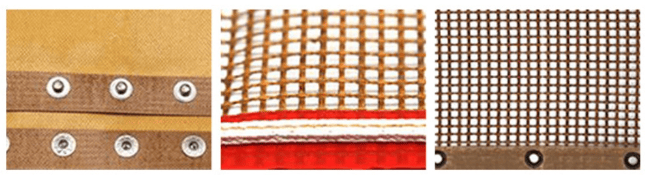
3. Custom Fabrication (Edge & Joint Solutions) To prevent edge fraying and ensure tracking stability on your specific machinery, these belts are fully customized:
-
Edge Reinforcements: Professionally finished with heat-sealed PTFE film or stitched Kevlar (often in recognizable red or brown edging) to provide maximum tear resistance.
-
Custom Joints: Supplied endless or with mechanical clipper joints (bullnose, alligator clips, or Kevlar loop joints) for rapid installation.
4. Typical Industrial Applications
-
Textile & Screen Printing: The industry standard for conveying printed materials through UV, IR, or hot air drying tunnels.
-
Packaging Industry: Highly efficient heat-resistant belting for continuous heat shrink wrapping machines.
-
Food Processing: Ideal for conveying products through industrial baking ovens, washing stations, and cooling tunnels where drainage and airflow are critical.