
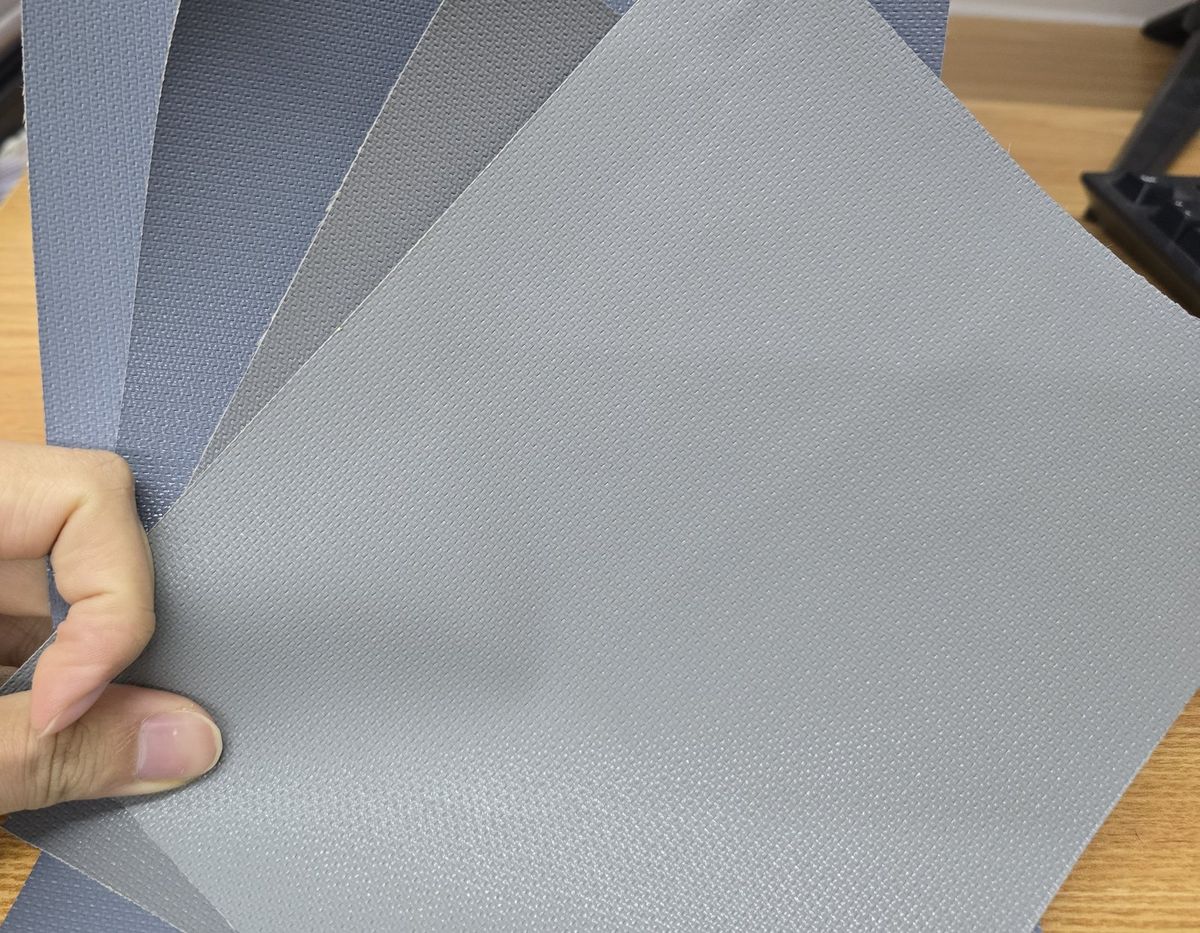
On 10 October 2026, new EU limits on PFAS in clothing and footwear started to apply, and the headlines followed. If you cut and sew PTFE-coated fiberglass, or buy jackets made from it, the next question is obvious: is our fabric next?
Short answer
- Yes, PTFE is a PFAS. Its chain is built entirely from fully fluorinated carbon atoms, which puts it inside the OECD definition used by European regulators.
- No, PTFE-coated fiberglass is not banned for industrial use today. The rules in force in October 2026 target particular consumer products, or one particular chemical (PFHxA).
- Three rules are worth watching: the EU proposal to restrict all PFAS (no decision is expected before 2027), France's ban on PFAS in all textiles from 2030 (industrial technical textiles are exempt, but the decree that lists them has not been published), and Minnesota's ban on PFAS in all products from 2032 unless a use is "currently unavoidable".
- If a customer asks for a PFAS-free jacket, look beyond the outer fabric. The sewing thread and the other layers count too.
This is a buyer's summary as of 21 October 2026, not legal advice. The rules are still moving, so check the sources at the end for your own market.
PTFE, Teflon and PFAS in one minute
PTFE (polytetrafluoroethylene) is the material: a long chain of carbon atoms, each carrying two fluorine atoms. It is what makes PTFE-coated fiberglass non-stick, easy to wipe clean and resistant to most chemicals.
Teflon™ is a brand name. DuPont introduced it; Chemours owns it today. "Teflon fabric" in a catalogue usually means PTFE-coated fiberglass, but the brand name tells you nothing about who made the PTFE. Ask for the material, not the brand.
PFAS is a family of thousands of chemicals. The OECD's 2021 definition covers any fluorinated substance with at least one fully fluorinated methyl or methylene carbon atom, and the OECD lists fluoropolymers, PTFE among them, as one class of PFAS.
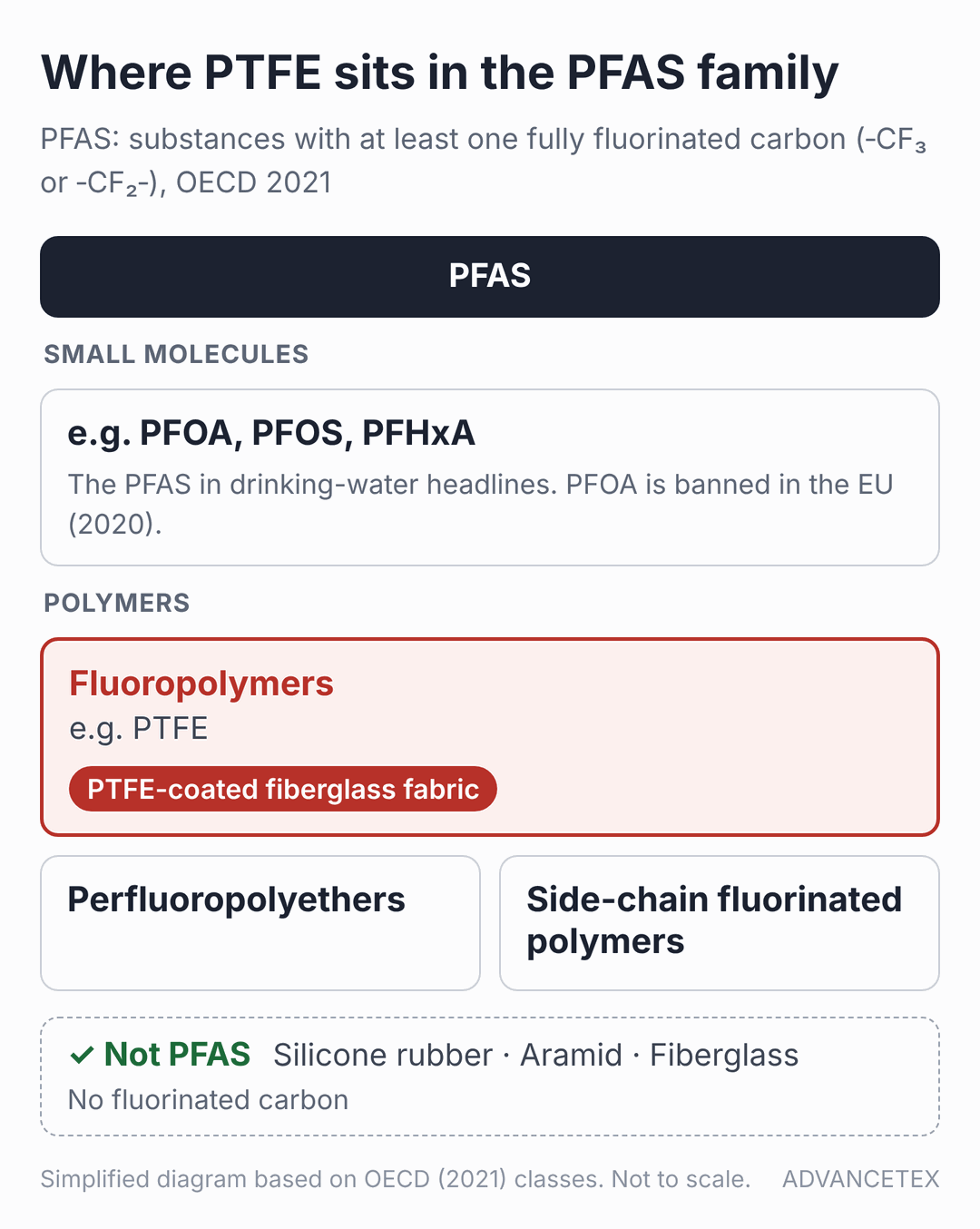
Diagram: where PTFE sits in the PFAS family (simplified from the OECD 2021 classes).
Why the distinction still matters: the PFAS that became notorious in drinking water, such as PFOA and PFOS, are small molecules. PTFE is a large, stable polymer. PFOA was once used as a processing aid in making PTFE; it has been banned in the EU since July 2020. Even so, the EU proposal treats all PFAS, fluoropolymers included, as one group. The fluoropolymer industry argues that PTFE should be treated separately; environmental groups such as ChemSec argue that it should not.
What the rules say today (October 2026)
EU – proposed restriction of all PFAS (REACH)
- What it covers: All PFAS, including fluoropolymers such as PTFE
- Where it stands: Risk committee (RAC) opinion adopted March 2026. Socio-economic committee (SEAC) final opinion expected by the end of 2026, then a Commission proposal and vote. The fluoropolymer industry's timeline puts possible entry into force around 2029.
- What it means for PTFE fabric: Nothing is banned yet. Technical textiles and "broader industrial uses" are among the sectors where time-limited derogations are foreseen but have not yet been assessed in detail.
EU – PFHxA restriction (Regulation (EU) 2024/2462)
- What it covers: One PFAS, PFHxA, and substances that can break down into it
- Where it stands: Consumer clothing, footwear and accessories from 10 October 2026; all other textiles from 10 October 2027
- What it means for PTFE fabric: This is the rule behind this month's headlines. It is not the restriction of all PFAS. If you sell finished textiles in the EU, ask whether a PFHxA test applies to your product.
France – Law 2025-188
- What it covers: PFAS in cosmetics, ski wax, clothing textiles and footwear
- Where it stands: In force since 1 January 2026; extends to all textiles from 1 January 2030
- What it means for PTFE fabric: Industrial technical textiles are exempt from the 2030 extension, but the list will be set by decree. Watch for it if you sell jackets in France.
USA – Minnesota (Amara's Law)
- What it covers: PFAS in 11 consumer product categories since 2025; all products from 2032
- Where it stands: First reports on products with intentionally added PFAS were due 15 September 2026 (14 December 2026 for companies that applied for an extension). From 1 January 2032, PFAS are banned in all products unless the use is "currently unavoidable".
- What it means for PTFE fabric: If your fabric or jackets are sold in Minnesota, check whether you must report. The 2032 rule is the one that could reach industrial jackets.
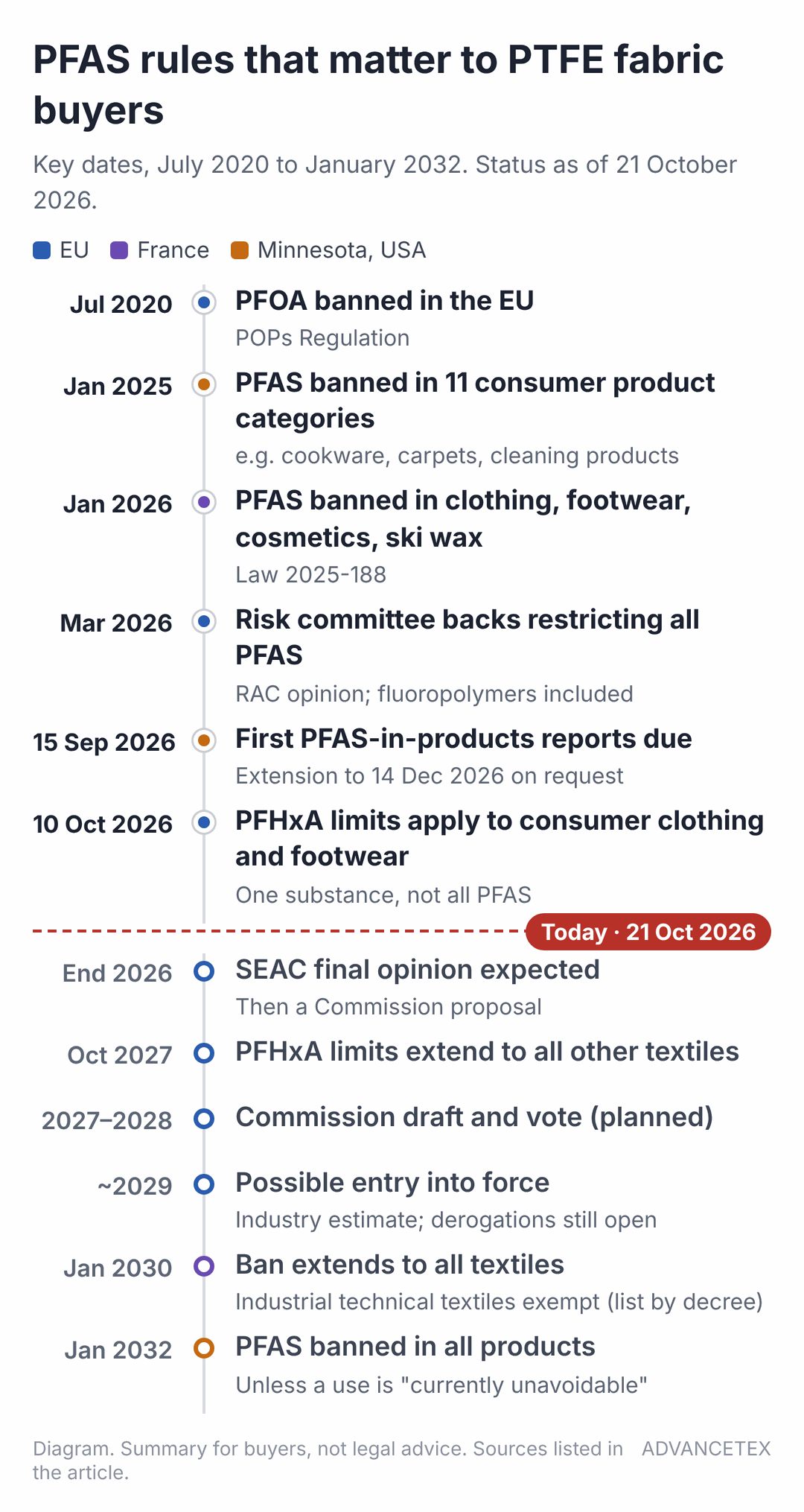
Diagram: key PFAS dates for PTFE fabric buyers, as of 21 October 2026.
What this means for an insulation jacket
- Today, you can buy, sew and sell jackets with a PTFE-coated outer layer. None of the measures in force bans PTFE fabric in industrial insulation jackets.
- If you supply customers in the EU or Minnesota, find out now which of your products contain PFAS, so you have the answer ready when they ask.
- Check the whole jacket. A PFAS-free claim covers every layer. PTFE-coated fabric and PTFE sewing thread are fluoropolymers; aramid and fiberglass threads are not.
The 260 °C number, and why it matters on the cutting table
Our grey PTFE grades carry a manufacturer-stated rating of −70 °C to +260 °C on the coated face. That figure is not arbitrary. The Plastics Industry Association's guide to handling fluoropolymers lists 260 °C (500 °F) as the continuous-use temperature for PTFE, and warns that hazardous fumes may be produced above 330 °C (625 °F). Breathing them can cause polymer fume fever, a temporary flu-like illness that lasts about 24 hours.
Two practical consequences for a jacket workshop:
- Cut with a cold blade or an oscillating knife where you can. A hot knife or a laser can heat the cut edge well beyond the coating's rating; if you use one, capture the fumes at the point of cutting.
- Keep cigarettes out of the cutting room. The same guide notes that smoking tobacco contaminated with even very small amounts of fluoropolymer can cause polymer fume fever.
The rating applies to the coated face only. A finished jacket also depends on its thread, closures and other layers.
Can silicone-coated fiberglass replace PTFE?
Sometimes. We make both, so here is the honest comparison.
| Grey PTFE-coated fiberglass | Grey silicone-coated fiberglass | |
|---|---|---|
| PFAS? | Yes – PTFE is a fluoropolymer | No – standard silicone rubber contains no fluorine |
| Surface | Smooth, non-stick, easy to wipe clean | Flexible, less slippery |
| Chemicals and oils | Resists most chemicals; still check your specific ones | Check the oils and solvents in your application |
| In the workshop | Stiffer; mark the coated face on every piece | Flexible, easy to cut and sew |
| Our grades | 0.40 mm, single-sided, four grey shades (ADP-001 to ADP-004) | 0.4 mm grey, single- or double-sided, glossy or matte |
Silicone is the closest PFAS-free choice where weather resistance and handling matter more than a non-stick surface. Where oils, chemicals or frequent cleaning dominate, PTFE is still hard to replace. The quickest way to decide is to put both on your own cutting table.
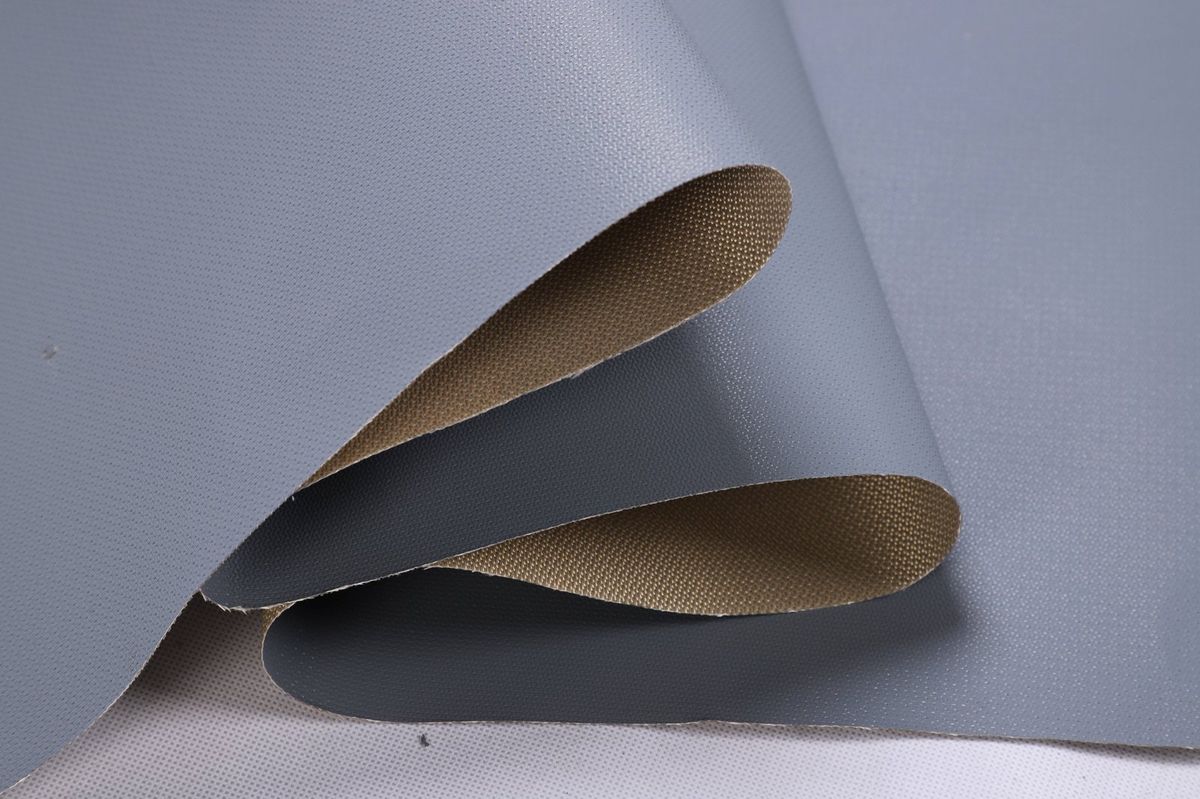
Grey PTFE-coated fiberglass: smooth coated face, woven fiberglass reverse.
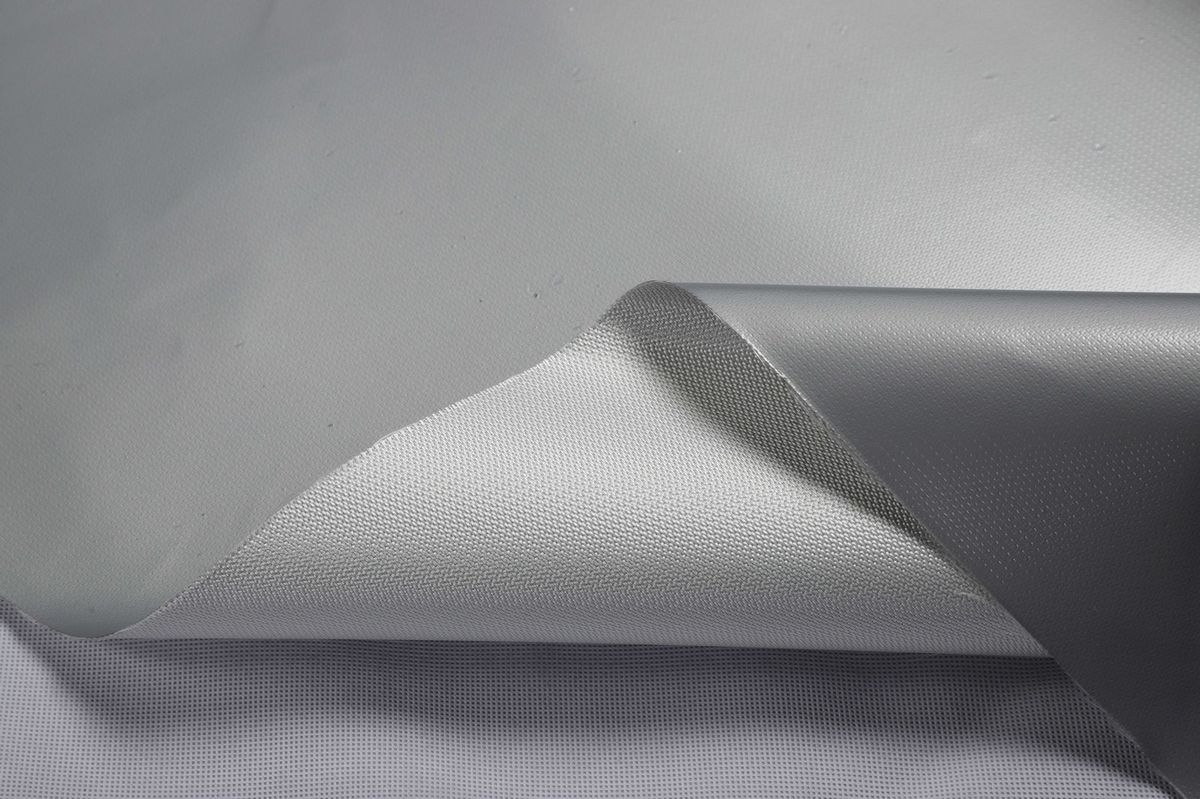
Grey silicone-coated fiberglass: no fluorine in the coating. Compare both on your own cutting table.
Five questions to ask your fabric supplier
- Which of your fabrics contain fluoropolymers, and which do not?
- Can you send the Safety Data Sheet?
- Is there a supplier declaration or test report on PFOA for the PTFE you use?
- If the fabric goes into textiles sold in the EU, is a PFHxA test relevant, and is one available?
- Which sewing thread do you recommend for a jacket that has to be fluorine-free?
Ask us the same questions. We will tell you which of our fabrics contain PTFE and which do not, and send free A4 swatches of our grey PTFE and grey silicone grades so you can compare them on your own machines. You cover only the courier, and swatches usually ship within a week. If you need more fabric for a trial jacket, we can also supply a 1 m trial roll (charged).
Email jacky@advancetex.co with the jackets you make, where they are installed and the countries you sell to.
Compare the four grey PTFE fabric grades
See grey silicone-coated fiberglass fabric
Related reading
- Choosing outer fabric for removable insulation jackets
- What a Finished Valve Jacket Shows About Working with Grey PTFE Fabric
Sources (accessed 21 October 2026)
- OECD (2021), Reconciling Terminology of the Universe of Per- and Polyfluoroalkyl Substances
- Arnold & Porter (March 2026), ECHA Committees Advance Broad PFAS Restriction Under REACH
- Fluoropolymers Product Group (Plastics Europe), EU PFAS Restriction
- Beveridge & Diamond (7 October 2026), New EU PFHxA Limits Take Effect
- French Ministry of Ecological Transition, public consultation notice on the PFAS decree
- SGS (January 2026), France Publishes Updated PFAS Regulation for Consumer Products
- Minnesota Department of Health, PFAS and Products
- Greenberg Traurig (June 2026), Minnesota's Amara's Law reporting
- Plastics Industry Association, Guide to the Safe Handling of Fluoropolymer Resins, 5th ed. (2019)
- Sajid & Ilyas (2017), PTFE-coated non-stick cookware and toxicity concerns
- ECHA, Per- and polyfluoroalkyl substances (PFAS)
- ChemSec (2022), The Teflon chemical PTFE is often touted as a safe cousin of toxic PFAS