
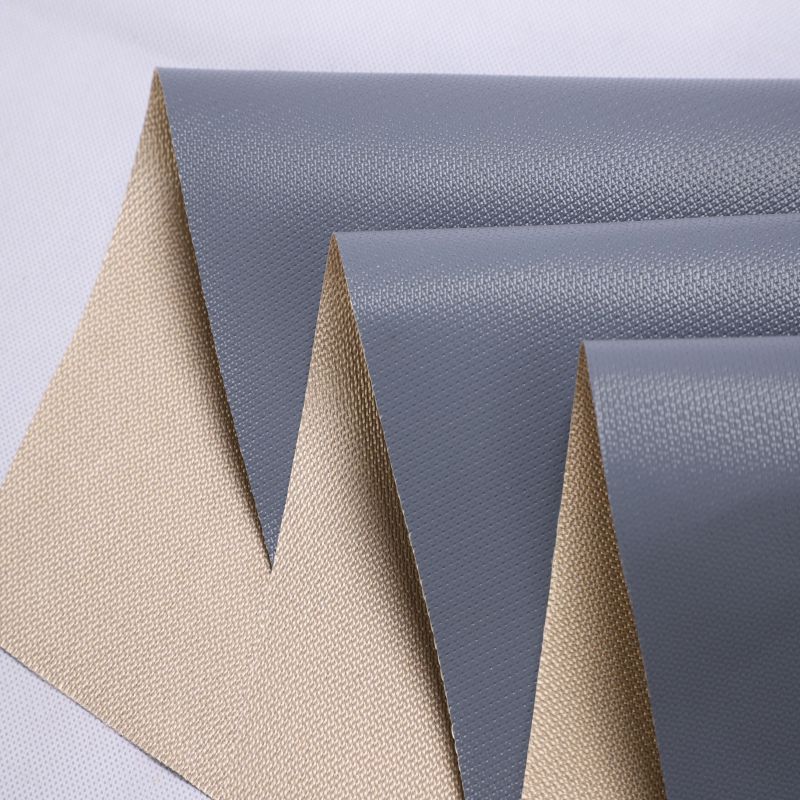
Valves and flanges need regular access for maintenance. Removable insulation jackets allow the insulation to be taken off and reinstalled, while the outer fabric protects the insulation beneath it. The fabric must suit the heat, contamination and handling it will encounter. It also needs to work well during cutting and sewing.
Silicone or PTFE coating?
Silicone-coated fiberglass fabric combines flexibility with good heat and weather resistance. It is easy to cut and sew, making it a practical choice for jackets with curves, corners and shaped panels. A flexible fabric helps the finished cover fit around valves and elbows.
PTFE-coated fiberglass fabric offers a non-stick, easy-clean surface and good chemical resistance. Consider a jacketing-grade PTFE fabric where surface contamination, regular cleaning or chemical exposure is a concern. For a specific chemical or cleaning agent, check compatibility under the intended service conditions.
How thickness affects fabrication
With comparable base fabrics and coatings, a thinner fabric is generally lighter and bends more easily. This can help when fitting a cover around a small valve or a tight curve. Thicker fabrics tend to be stiffer and create bulkier folded edges and overlapping seams.
For jackets that will be removed frequently, also consider tear strength and seam strength. A sample lets the fabricator check folding, sewing and fit before settling on a specification.
Outer-fabric thickness and insulation thickness serve different purposes. Thermal performance depends mainly on the insulation material, its thickness and the complete jacket construction.
One coated side or two?
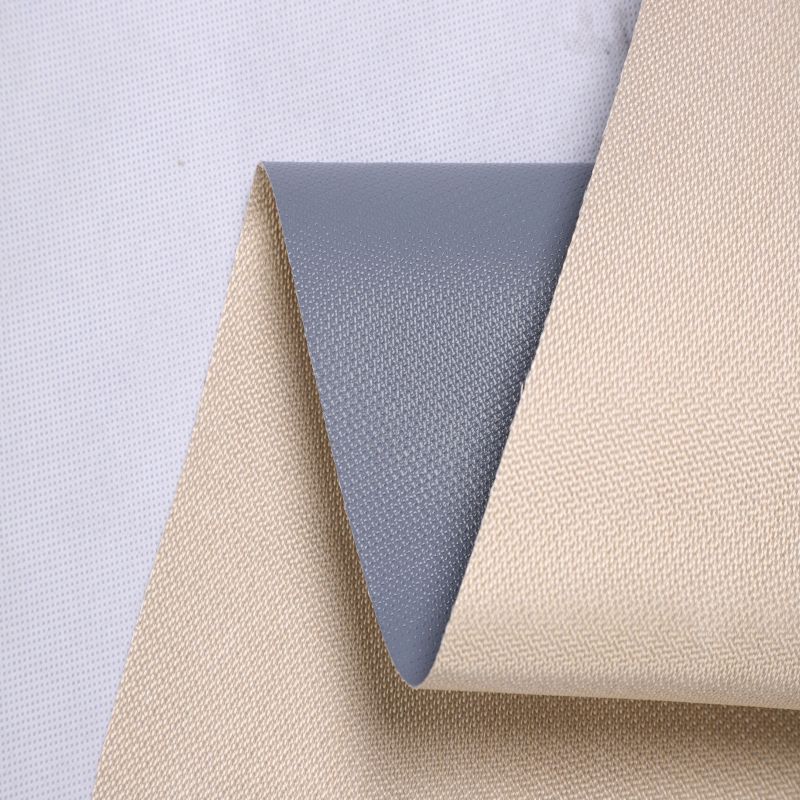
Single-sided fabric has a coated face and an uncoated fiberglass reverse. It is an option where the outer face encounters contamination and the reverse sits against the insulation. Double-sided fabric provides coated surfaces on both faces, useful when either side may become soiled and require cleaning.
For outdoor jackets, seams and openings also need attention to keep rain from entering the assembly.
Specify the temperature at the outer layer
The equipment surface and the outside of an insulation jacket usually operate at different temperatures. First establish the temperature the outer fabric will experience during continuous operation, along with any short-term peaks. Check these against the selected fabric grade's continuous service temperature range and short-term exposure limits. If outer-layer measurements are unavailable, start with the equipment temperature and the proposed insulation construction.
Discuss your fabric requirements with ADVANCETEX
ADVANCETEX supplies 0.4 mm single-sided gray PTFE fabric for removable insulation jackets, along with silicone-coated fiberglass fabrics. Slitting, cutting, sewing, edging and eyelet work are also available.
Email your application, operating temperature, dimensions and quantity to discuss samples and a quote. Attach a drawing or a photograph of an existing sample if available.